The Ultimate Guide to the Best Puzzle Games: Sharpen Your Mind and Unravel the Challenges
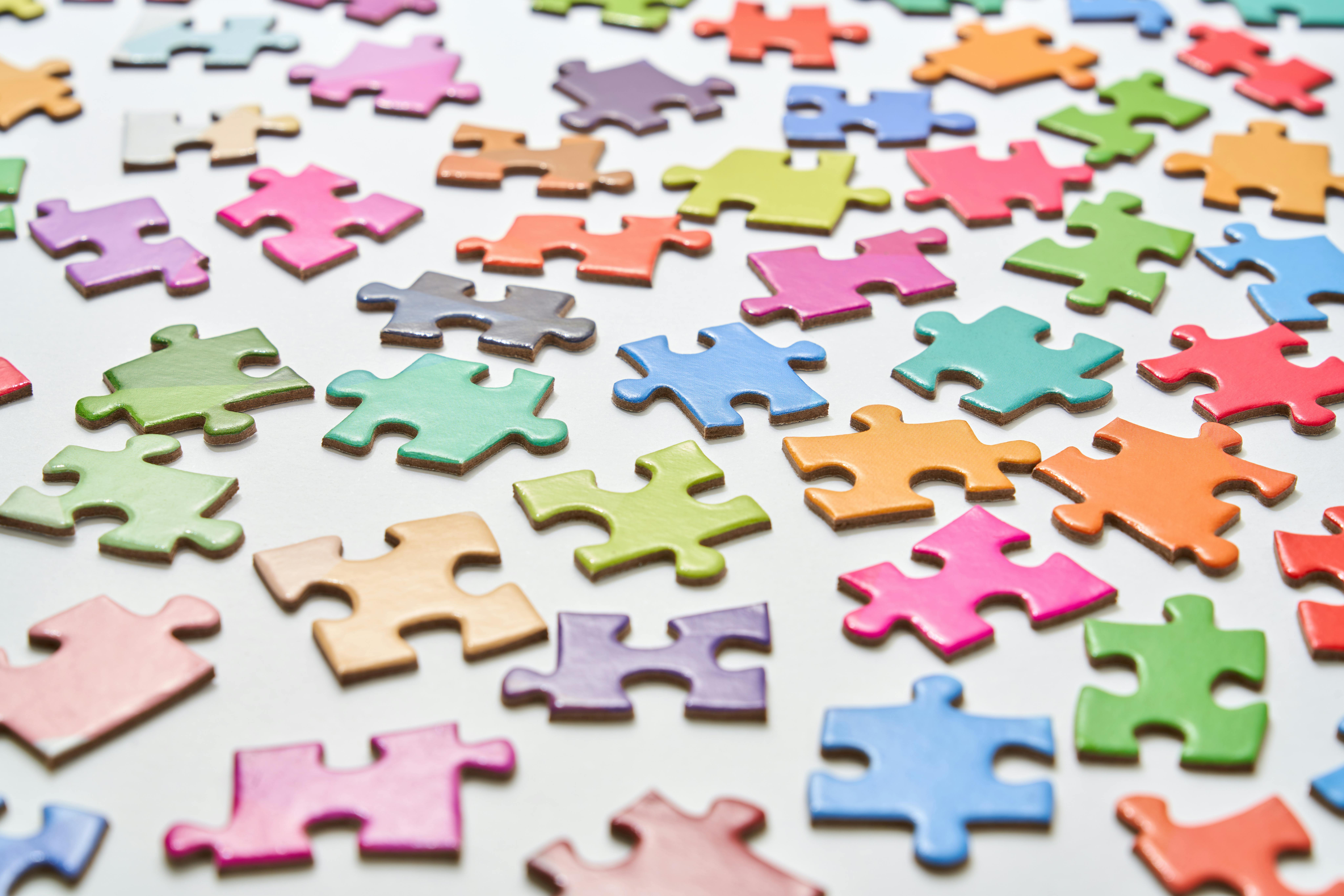 image from Pexels.com
Puzzles have captivated humanity for millennia. From ancient hieroglyphics to modern video games, the thrill of deciphering riddles and solving challenges has remained a universal appeal. In the realm of gaming, puzzle games offer a unique blend of intellectual stimulation, creative thinking, and sheer satisfaction. They are not just a source of entertainment; they are also powerful tools for enhancing problem-solving skills, improving memory, and even boosting cognitive function.
This comprehensive guide will delve into the diverse world of puzzle games, exploring various categories and recommending the best titles for every preference. From classic logic puzzles to mind-bending brain teasers, we'll uncover the hidden gems that will keep you entertained and challenged for hours on end.
Why Play Puzzle Games?
Beyond the obvious enjoyment factor, puzzle games offer numerous benefits for players of all ages:
- Enhanced Cognitive Abilities: Engaging in puzzles stimulates the brain, promoting flexibility, critical thinking, and problem-solving skills.
- Improved Memory: Memorizing patterns, sequences, and rules strengthens your memory and helps maintain cognitive sharpness.
- Stress Relief: The focused concentration required for puzzle solving can be incredibly therapeutic, providing a welcome escape from daily stressors.
- Increased Creativity: Many puzzle games encourage lateral thinking and imaginative solutions, fostering creativity and innovation.
- Improved Focus and Concentration: The immersive nature of puzzles demands attention and focus, improving your ability to concentrate for extended periods.
The Evolution of Puzzle Games
Puzzle games have evolved significantly throughout history, transitioning from simple board games to immersive digital experiences. Here's a glimpse into their fascinating journey:
Ancient Puzzles:
- The Rubik's Cube: This iconic puzzle, invented in 1974 by Hungarian sculptor Ernő Rubik, remains a global phenomenon, challenging players to manipulate colored squares into a single solid color.
- Sudoku: Originating in Japan in the 1970s, Sudoku's popularity skyrocketed in the early 2000s. This logic puzzle involves filling a 9x9 grid with numbers 1-9, adhering to specific rules.
- Crosswords: This classic word puzzle, invented in 1913, remains a beloved pastime, challenging players to fill a grid with words that intersect based on given clues.
Modern Puzzle Games:
- Video Games: The advent of video games revolutionized the puzzle genre, offering interactive experiences with complex mechanics and engaging storylines.
- Mobile Games: The rise of smartphones and tablets has made puzzle games more accessible than ever, with countless app options available for all skill levels.
- Escapism: Puzzle games have become a popular avenue for escaping reality, immersing players in fantastical worlds and thought-provoking narratives.
Classifying the Puzzle Game Landscape
The world of puzzle games is vast and diverse, encompassing a wide range of categories. Let's explore some of the most popular genres:
1. Logic Puzzles:
Logic puzzles rely on deductive reasoning and analytical thinking to solve problems. These puzzles often involve finding patterns, identifying relationships, and applying logic to reach a solution.
Examples:
- KenKen: A number-placement puzzle similar to Sudoku, but with additional arithmetic constraints. Image of a KenKen puzzle
- Einstein's Riddle: A classic logic puzzle with a series of clues about individuals and their characteristics, requiring players to deduce their relationships and attributes.
- Logic Grid Puzzles: These puzzles present a grid with various clues, requiring players to fill the grid with symbols or objects based on the provided information.
2. Word Puzzles:
Word puzzles challenge your vocabulary, spelling, and linguistic skills. They involve manipulating letters, forming words, and solving word-based riddles.
Examples:
- Scrabble: This classic word game involves forming words on a grid using letter tiles, earning points based on the value of the letters and strategic placement.
- Boggle: A fast-paced word puzzle where players race to find words within a grid of randomly arranged letters.
- Crossword Puzzles: As mentioned earlier, crossword puzzles challenge players to solve clues and fill a grid with words that intersect.
3. Number Puzzles:
Number puzzles test your mathematical skills and problem-solving abilities, often involving numerical sequences, calculations, and strategic thinking.
Examples:
- Sudoku: This logic puzzle involves filling a 9x9 grid with numbers 1-9, adhering to specific rules.
Kakuro: A number-placement puzzle similar to Sudoku, but with mathematical clues instead of numbers.

Nonograms: Also known as "Hanjie" or "Griddlers," these puzzles use a grid of numbers to indicate which squares should be filled in, forming a pixel art image.
4. Spatial Puzzles:
Spatial puzzles challenge your visual perception and spatial reasoning. They often involve manipulating shapes, rotating objects, and visualizing three-dimensional spaces.
Examples:
- Tangrams: This ancient Chinese puzzle consists of seven flat geometric shapes that can be arranged to form hundreds of different shapes and figures.
- Tetris: This classic game involves strategically arranging falling blocks to create complete horizontal lines and eliminate them.
- Sokoban: This classic puzzle game involves pushing crates around a maze to reach specific locations.
5. Escape Room Puzzles:
Escape room puzzles are interactive experiences that immerse players in a themed environment where they must solve riddles, find clues, and work together to escape within a set time limit.
Examples:
- Real-life Escape Rooms: These immersive experiences involve physically navigating a themed room, solving puzzles, and searching for clues to escape.
- Virtual Escape Rooms: Online escape rooms offer a similar experience through interactive environments and puzzles, accessible from anywhere with an internet connection.
6. Brain Teaser Puzzles:
Brain teaser puzzles challenge your lateral thinking, creativity, and problem-solving skills. They often involve abstract concepts, unconventional solutions, and a focus on finding out-of-the-box answers.
Examples:
- Riddle Me This: These classic puzzles often involve wordplay, metaphors, or hidden meanings, requiring players to think outside the box to find the answer.
- Lateral Thinking Puzzles: These puzzles present a scenario or problem that requires players to think creatively and consider alternative perspectives to find a solution.
- Brain Training Apps: Many mobile apps offer a variety of brain teasers designed to challenge your cognitive abilities and keep your mind sharp.
Recommended Puzzle Games for Every Skill Level
For Beginners:
- Sudoku (Mobile Apps): Numerous free Sudoku apps offer a gradual difficulty curve, perfect for learning the rules and improving your logic skills.
- Crosswords (New York Times Crossword App): The New York Times app offers a variety of crossword puzzles for different skill levels, with hints and explanations to help you along the way.
- KenKen (Online Puzzle Sites): Many websites offer free KenKen puzzles with varying difficulty levels, ideal for beginners looking to challenge their logic and number-placement skills.
For Intermediate Players:
- Portal 2 (PC/Xbox/PlayStation): This critically acclaimed puzzle game combines platforming with portal mechanics, challenging players to solve complex puzzles and navigate intricate environments.
- The Witness (PC/Xbox/PlayStation): This open-world puzzle game challenges players to solve intricate environmental puzzles using observation, deduction, and experimentation.
- Baba Is You (PC/Xbox/PlayStation): This unique puzzle game involves manipulating words to change the rules of the game, creating challenging and creative puzzles.
For Advanced Players:
- The Talos Principle (PC/Xbox/PlayStation): This philosophical puzzle game presents players with challenging puzzles and thought-provoking narratives, exploring themes of consciousness and free will.
- The Turing Test (PC/Xbox/PlayStation): This sci-fi puzzle game blends logic and deduction with a compelling narrative, challenging players to uncover secrets and solve complex problems.
- Tetris Effect: Connected (PC/Xbox/PlayStation): This immersive version of Tetris combines classic gameplay with stunning visuals and a mesmerizing soundtrack, providing a captivating and challenging experience.
Tips for Mastering Puzzle Games:
- Start Simple: Begin with puzzles that are within your skill level to build confidence and learn the basics.
- Break It Down: Complex puzzles can be overwhelming. Break them down into smaller, manageable steps to make the solution seem less daunting.
- Don't Be Afraid to Experiment: Trial and error is a vital part of solving puzzles. Experiment with different approaches and don't be afraid to try something unconventional.
- Take Breaks: Solving puzzles requires concentration and focus. Taking breaks can help prevent mental fatigue and allow you to approach the problem with fresh eyes.
- Seek Out Help: If you get stuck, don't hesitate to seek help from online communities, forums, or guides.
- Embrace the Challenge: The beauty of puzzle games lies in their ability to challenge your mind. Embrace the difficulty and enjoy the satisfaction of overcoming obstacles.
The Benefits of Puzzle Games Extend Beyond Entertainment
Puzzle games offer a wealth of cognitive benefits, providing a fun and engaging way to sharpen your mind, improve your memory, and boost your cognitive function. Whether you're a seasoned puzzle enthusiast or a curious beginner, there's a puzzle game out there waiting to be explored.
Conclusion:
The world of puzzle games is vast and rewarding, offering a unique blend of entertainment, intellectual stimulation, and personal growth. From classic logic puzzles to mind-bending brain teasers, the options are endless. By exploring these various genres and embracing the challenge, you can unlock a world of fun and discover the hidden potential of your own mind.

